
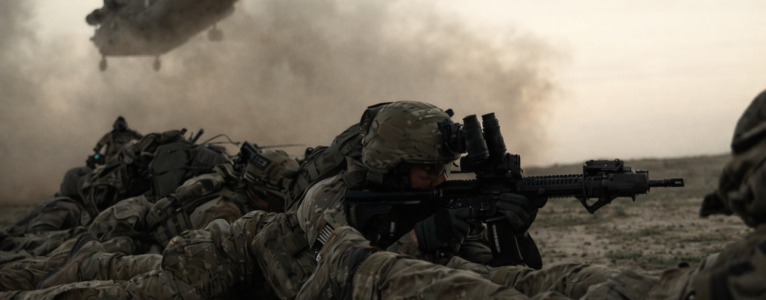
The attacks of September 11, 2001 changed the mission of the U.S. military overnight. Within weeks, American forces began preparing for a campaign in Afghanistan aimed at dismantling al-Qaeda and removing the Taliban regime that had provided them sanctuary.
Among the first ground combat units sent into the war were the soldiers of the 75th Ranger Regiment.
For the Rangers, the war in Afghanistan marked the beginning of the most sustained period of combat operations in their history.
The First Ranger Combat Mission of the War
Less than a month after the attacks, Rangers launched one of the first major U.S. ground operations of the conflict.
On the night of October 19, 2001, Rangers from the 3rd Ranger Battalion conducted a daring airborne assault on a Taliban-controlled airfield near Kandahar.
The operation, known as Operation Rhino was designed to strike Taliban positions, gather intelligence, and demonstrate that American ground forces could reach deep into enemy territory.
Flying in from bases hundreds of miles away, the Rangers parachuted into the desert under cover of darkness.
Once on the ground, they quickly secured the airfield and surrounding objectives while other elements of the task force conducted raids on nearby Taliban facilities.
The Rangers remained on the ground for several hours before extracting by helicopter.
The mission sent a clear message: U.S. forces could strike anywhere in Afghanistan.
Establishing Forward Operating Bases
Following the initial raids, Ranger units played a key role in securing landing zones and forward operating bases that allowed larger American forces to enter the fight.
The rugged terrain of Afghanistan, dominated by mountains, deserts, and isolated villages, required units capable of moving quickly and operating independently.
Rangers were well suited for this kind of warfare.
Their missions during the early months of the conflict included:
- securing airfields and landing zones
- conducting raids on Taliban compounds
- capturing high-value enemy targets
- supporting special operations missions across the country
These operations helped establish the foothold that allowed coalition forces to expand operations throughout Afghanistan.
Night Raids and Special Operations
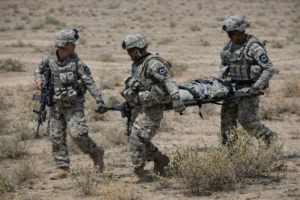
As the war continued, Rangers increasingly operated as part of joint special operations task forces.
Working alongside units such as 1st Special Forces Operational Detachment‑Delta, Rangers provided security, assault forces, and quick reaction teams during raids against Taliban and al-Qaeda targets.
Many of these missions took place at night.
Helicopters would insert Ranger assault teams near suspected enemy compounds or hideouts. The Rangers would then move quickly to secure the area while other special operations units carried out their objectives.
This type of mission became a defining feature of the war in Afghanistan.
The Rangers’ ability to deploy rapidly, coordinate with aviation units, and operate in difficult terrain made them one of the most frequently used combat units in the theater.
Fighting in the Afghan Landscape
Combat in Afghanistan presented challenges very different from earlier Ranger operations.
Instead of urban combat or airborne assaults on airfields, Rangers often found themselves fighting in remote mountain valleys and desert regions.
Enemy forces used caves, rugged terrain, and local knowledge to evade detection.
Ranger patrols frequently conducted operations in harsh environments where extreme temperatures, altitude, and isolation made every mission more demanding.
Despite these challenges, Ranger units maintained a high operational tempo, conducting raids and reconnaissance missions across the country.
A New Era of Ranger Operations
The war in Afghanistan marked a new chapter in the history of the Rangers.
Unlike earlier conflicts where Ranger units were used occasionally for specific missions, the modern Ranger Regiment became one of the most heavily deployed combat forces in the U.S. military.
Rangers conducted hundreds of raids and special operations missions throughout the conflict, targeting Taliban leaders, insurgent networks, and terrorist organizations operating across Afghanistan.
Their actions helped disrupt enemy operations and provided critical support to broader coalition efforts.
Carrying the Ranger Legacy Forward
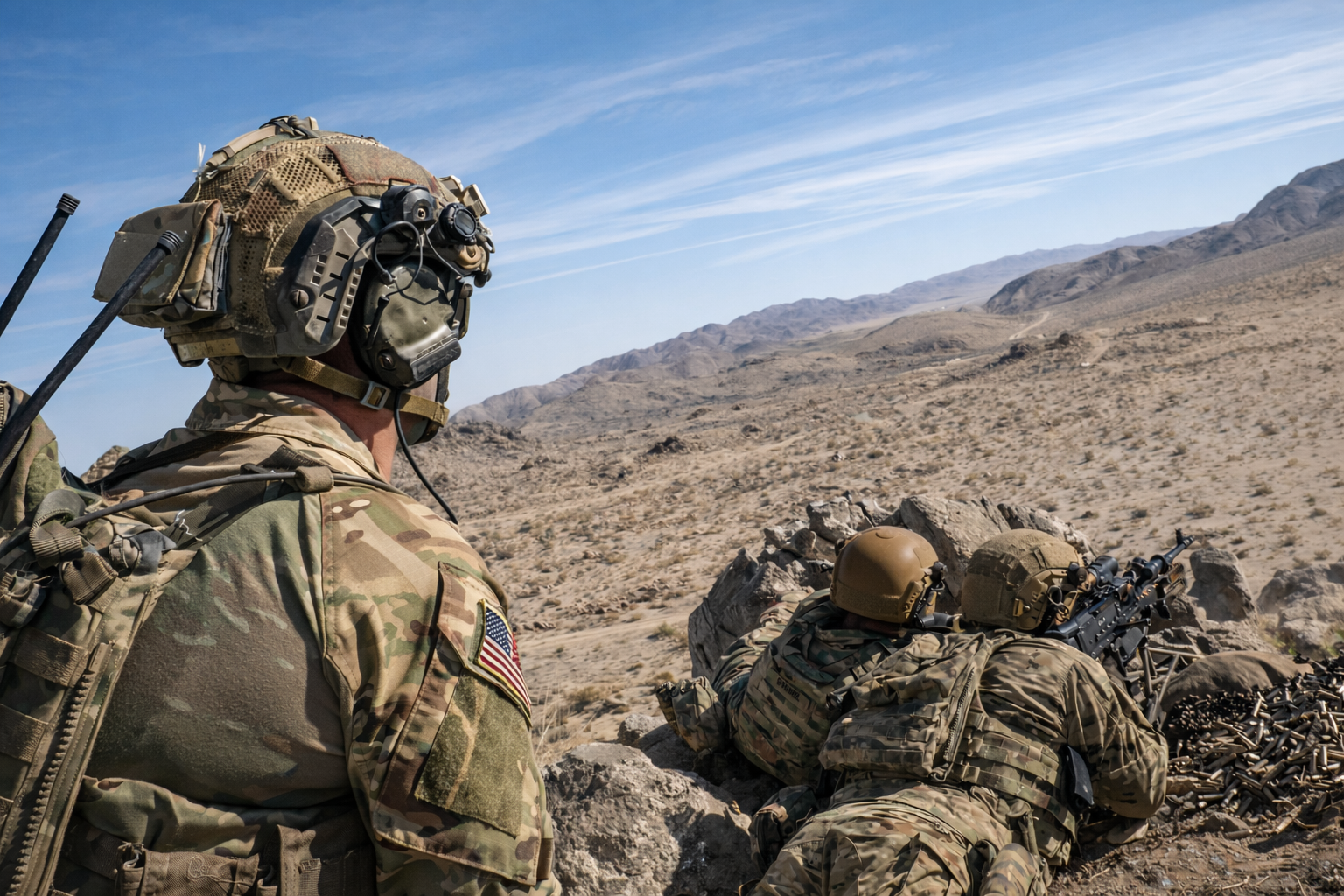
From the cliffs of Normandy to the streets of Mogadishu, Rangers had built a long tradition of aggressive combat leadership.
In Afghanistan, that tradition continued.
The conflict demonstrated how the Ranger Regiment had evolved from the small assault units of World War II into a highly capable special operations force able to operate anywhere in the world.
The war would soon expand beyond Afghanistan.
And once again, the Rangers would be among the first units called into combat.
Next in the series:
Rangers in Iraq, how the 75th Ranger Regiment became a central force in counterterrorism operations during the Iraq War.
Related posts:
 Old Hickory in Battle: The Full History of the 30th Infantry Division in WWI and WWII
 Italians in WWII: Divided Loyalties at Home and Abroad
 The Great Raid: How the 6th Rangers, Alamo Scouts, and Filipino Guerrillas Pulled Off WWII’s Boldest POW Rescue
 The Truth About WWII Ranger Units vs. Hollywood Rangers