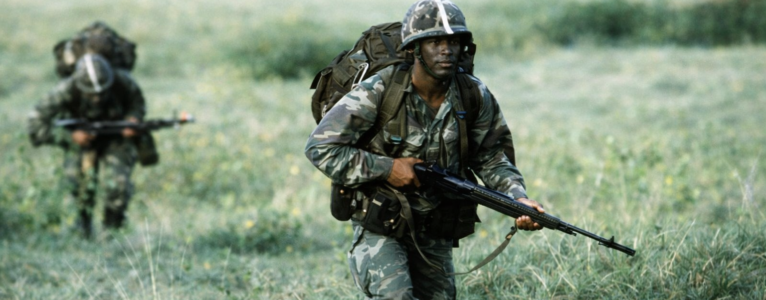
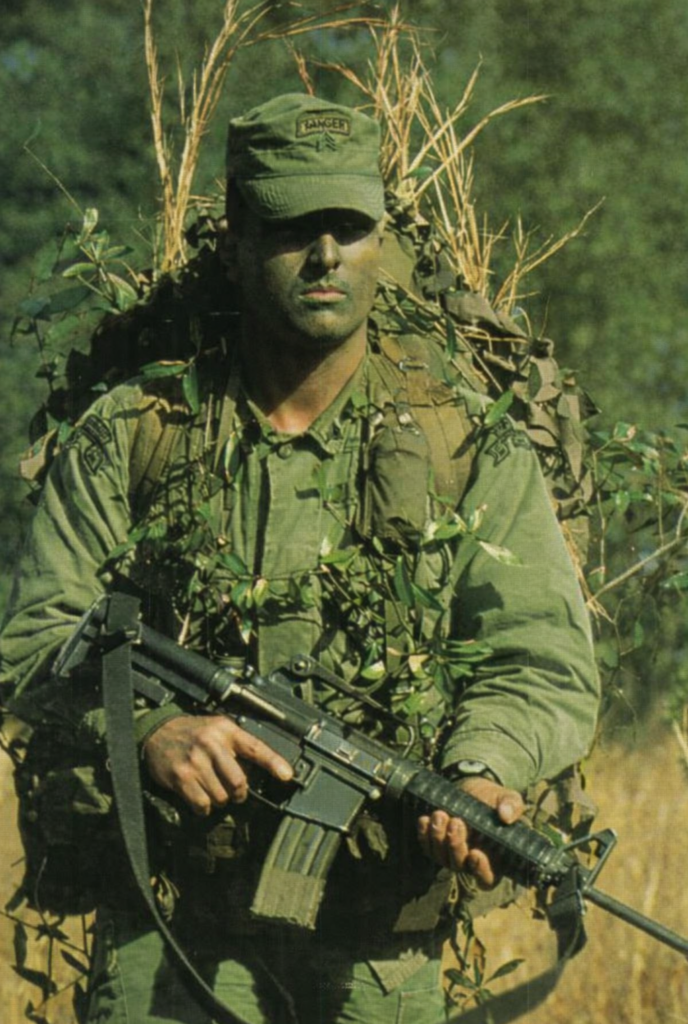
When the Vietnam War ended in the early 1970s, the U.S. Army faced a difficult transition. Years of jungle warfare had reshaped how American forces fought, but many of the specialized units that proved effective during the conflict were disbanded as the war came to a close.
Among them were the Ranger companies that had evolved from Long Range Reconnaissance Patrol units operating deep behind enemy lines.
Yet the lessons of Vietnam were impossible to ignore.
Small, highly trained units had demonstrated a unique ability to operate independently, gather intelligence, and strike quickly in complex environments. Army leaders realized that the United States needed a permanent force capable of responding rapidly to crises anywhere in the world.
From this realization came the rebirth of the Rangers.
Lessons from Vietnam
During the Vietnam War, Ranger companies operating under the 75th Infantry Regiment carried out some of the most dangerous reconnaissance missions of the conflict.
Small patrol teams infiltrated enemy territory, monitored troop movements, and guided air strikes and larger ground operations.
These units proved that elite light infantry, trained for speed, stealth, and aggressive action, could provide capabilities that conventional forces often lacked.
When the war ended, Army planners feared that this hard-earned expertise could disappear if Ranger units were once again dissolved.
Instead, they chose a different path.
The Ranger concept would become permanent.
The Creation of the 1st Ranger Battalion
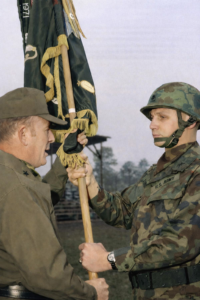
In 1974, the U.S. Army activated the 1st Ranger Battalion at Fort Stewart, Georgia.
This marked the first step in rebuilding the Ranger force after Vietnam.
The battalion was composed entirely of volunteers and designed to serve as an elite light infantry unit capable of rapid deployment and specialized missions.
Training emphasized many of the same skills that had defined Rangers in earlier wars:
- airborne operations
- small-unit tactics
- night assaults
- airfield seizures
- long-range reconnaissance
The goal was clear: create a unit that could respond quickly to crises around the world.
A New Crisis: The Mayaguez Incident
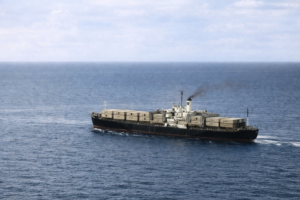
Shortly after the 1st Ranger Battalion was activated, the United States faced its first major post-Vietnam crisis.
In May 1975, Cambodian Khmer Rouge forces seized the American merchant ship SS Mayaguez in international waters.
The event quickly escalated into what became known as the Mayaguez Incident.
American leaders ordered a rapid military response to rescue the crew and reassert U.S. authority in the region.
The primary assault on Koh Tang Island, where the crew was believed to be held, was carried out by Marines from the 2nd Battalion, 9th Marines.
However, the newly reactivated Ranger units were placed on alert as part of the broader rapid-response force.
Although the Rangers did not conduct the main assault, the crisis demonstrated the need for highly trained units that could deploy quickly during sudden international emergencies.
For the Army, the lesson was clear.
The Rangers had to remain ready for exactly these kinds of situations.
Expanding the Ranger Force
The success of the 1st Ranger Battalion soon led to the creation of another unit.
In 1975, the Army activated the 2nd Ranger Battalion at Fort Lewis, Washington.
With Ranger battalions positioned on opposite sides of the United States, the Army improved its ability to respond quickly to global crises.
Both battalions trained intensively during the late 1970s, conducting airborne operations, joint exercises, and large-scale deployment drills.
Their mission centered on the concept of rapid deployment.
Unlike heavy divisions that required extensive equipment and preparation, Ranger units were designed to deploy by air with minimal support and begin operations immediately.
Their missions could include:
- seizing airfields
- securing key terrain
- conducting raids on enemy installations
- preparing landing zones for larger follow-on forces
These capabilities made Rangers a critical component of the Army’s emerging rapid-response strategy during the Cold War.
The Creation of the Ranger Regiment
As the Ranger battalions matured and expanded their capabilities, the Army recognized the need to unify them under a single command structure.
This led to the formation of the modern 75th Ranger Regiment.
The regiment brought together multiple Ranger battalions under one headquarters while preserving the historic Ranger lineage that dated back to World War II.
Over time, additional units and specialized capabilities were added to support the regiment’s expanding mission.
The result was one of the most capable light infantry forces in the world.
The Iran hostage crisis of 1979-81
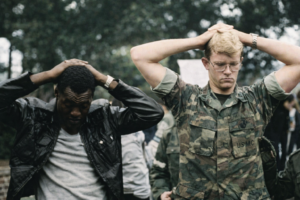
Another major crisis that shaped U.S. special operations planning during this period was the Iran Hostage Crisis of 1979–1981.
When Iranian revolutionaries seized the U.S. Embassy in Tehran and held American diplomats hostage, the United States began planning a complex military rescue mission.
The operation, later known as Operation Eagle Claw relied on a joint force that included special operations units, aviation assets, and elements of the U.S. Army Rangers.
Rangers were tasked with securing a captured airfield outside Tehran that would allow transport aircraft to evacuate the rescued hostages and assault force.
Although the mission was ultimately aborted after mechanical failures and a fatal collision at the Desert One staging area, the operation exposed serious coordination problems between military branches and special operations units.
The lessons learned from this failure played a major role in shaping the future structure of American special operations forces and reinforced the importance of highly trained rapid-deployment units such as the Rangers.
Preparing for the Next War
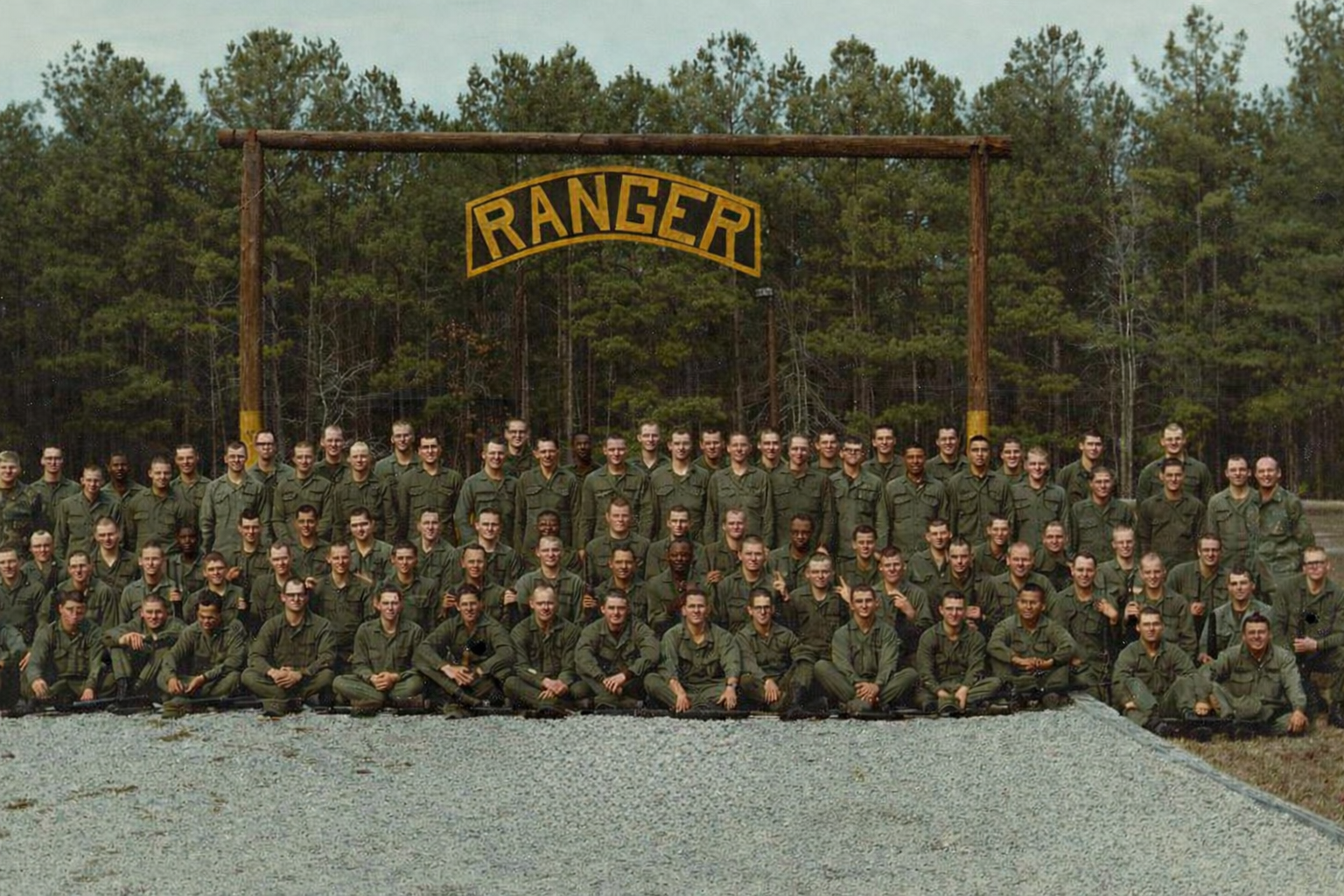
During the late 1970s and early 1980s, Rangers focused heavily on training and readiness.
Large-scale exercises simulated airborne assaults, airfield seizures, and rapid deployments to crisis zones around the world.
Although the Rangers had not yet returned to large-scale combat, they were preparing for the moment when they would once again be called upon.
That moment arrived in 1983.
When the United States launched a military intervention in the Caribbean island of Grenada, Ranger battalions conducted one of the largest airborne assaults since World War II.
The modern Rangers had finally returned to combat.
Next in the series:
Grenada and Panama, how the Rangers carried out rapid airborne assaults during the Cold War.