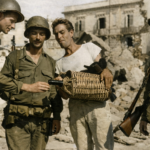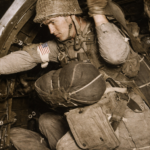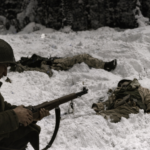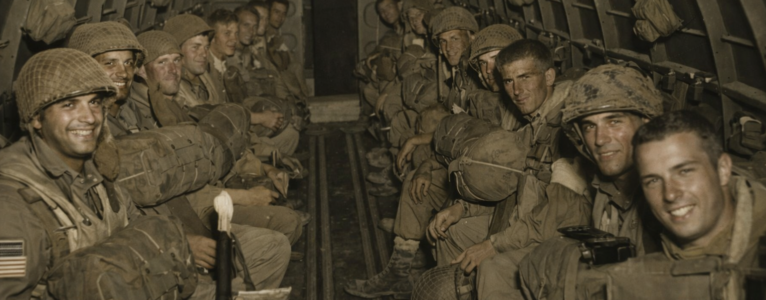
By the time the 82nd Airborne Division hit Sicily in July 1943, they were already being sold to the public as something close to myth. America’s first airborne division. Volunteers. Paratroopers. The best of the best.
That’s the version everyone remembers.
The truth is less clean, and far more useful if you want to understand what they became in Italy.
The 82nd didn’t arrive in the Mediterranean as polished shock troops. They arrived as a unit that had just learned, the hard way, that airborne warfare was brutally unforgiving, poorly understood, and completely indifferent to romantic ideas about elite soldiers.
Operation Husky was their baptism by fire. Italy was where the lesson stuck.
Husky: The Operation That Nearly Broke the Illusion
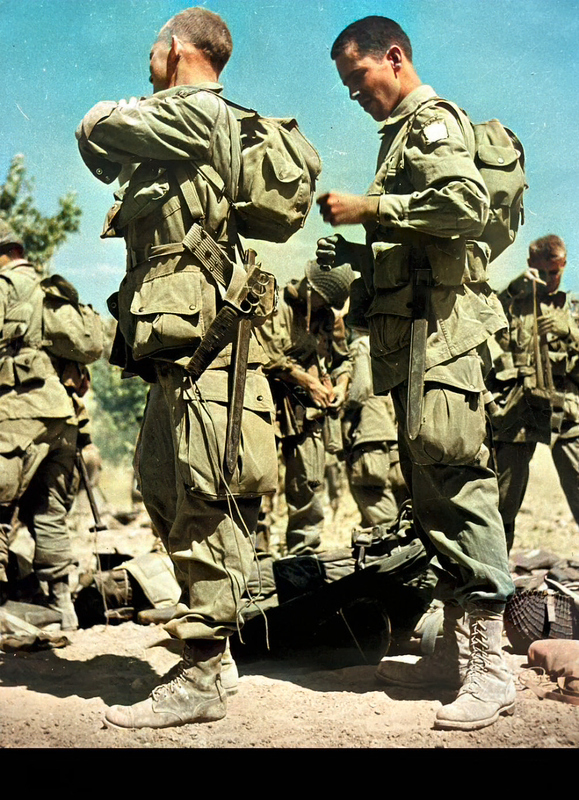
Sicily was supposed to be the proof of concept. Large-scale airborne drops in support of an amphibious invasion. Seize key terrain. Disrupt enemy movement. Buy time for the beaches.
Instead, it exposed everything that could go wrong.
Navigation was poor. Weather was worse. Aircraft formations disintegrated in the dark. Stick cohesion vanished within minutes of the jump. Men landed miles from their objectives, if they landed near friendly forces at all.
Some fought with whoever they found. Some fought alone. Some never fought because they were killed or captured before they could even get their bearings.
And then came friendly fire.
On the night of 11 July 1943, returning C-47s flew into a sky already primed for disaster. Naval gunners and beachhead anti-aircraft units, nervous, exhausted, and barely trained to identify friendly aircraft, opened fire. Dozens of planes were hit. Men were killed before they ever jumped. Others died in burning wreckage scattered across the sea and countryside.
It was chaos. It was avoidable. And it was devastating.
Here’s the part that matters: the 82nd didn’t pretend it hadn’t happened.
They didn’t bury the failures under medals and speeches. Internally, they tore the operation apart. Procedures changed. Air-ground coordination was reworked. Aircraft markings were improved. Drop planning became stricter, not looser. Commanders who couldn’t adapt were quietly sidelined.
Husky didn’t make the 82nd famous. It made them serious.
What Sicily Actually Taught Them
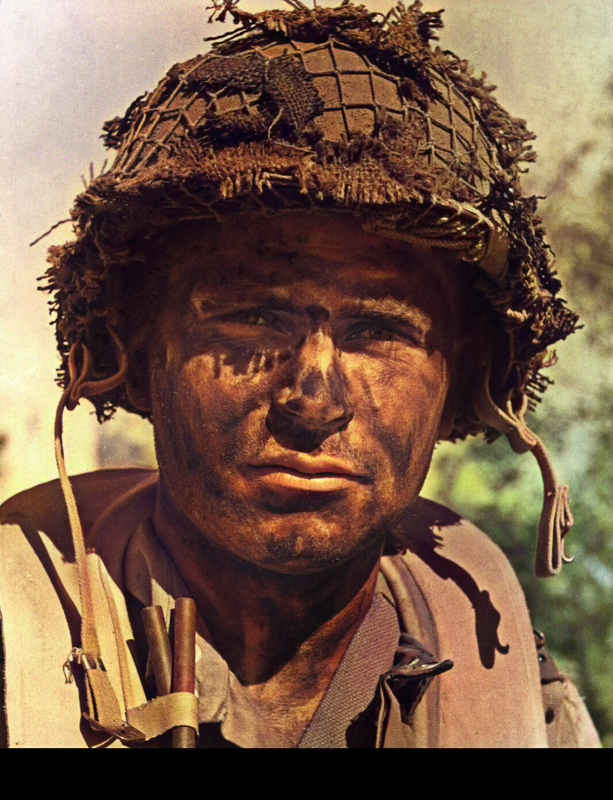
The enduring myth of airborne troops is that they win through audacity alone. Jump in anywhere, improvise, overwhelm.
Husky killed that fantasy.
What Sicily taught the 82nd was far more uncomfortable:
- Dispersion isn’t heroic, it’s a liability
- Initiative matters, but only if it serves a clear objective
- Leadership under uncertainty is the real weapon
- Training gaps get people killed faster than enemy fire
Small-unit leadership became everything. Corporals and sergeants weren’t just enforcing discipline, they were making operational decisions in the dark, under fire, without guidance. Men learned quickly who could be trusted and who folded when plans collapsed.
This is the version of the 82nd that matters going forward: not flawless, not superhuman, but adaptable under pressure and increasingly intolerant of bullshit.
That attitude carries straight into Italy.
Italy: No More Illusions, No More Room for Error
Italy wasn’t a clean campaign. It was vertical terrain, narrow roads, weather that ruined plans, and an enemy who had learned how to fight a delaying war with skill and discipline.
The 82nd arrived there with something they didn’t have in Sicily: experience paid for in blood.
They jumped at Salerno knowing the risks. They jumped knowing friendly fire was still a threat. They jumped anyway, because the beachhead needed holding and there was no Plan B.
And when they weren’t jumping, they were fighting as infantry, often under conditions worse than most leg units ever faced.
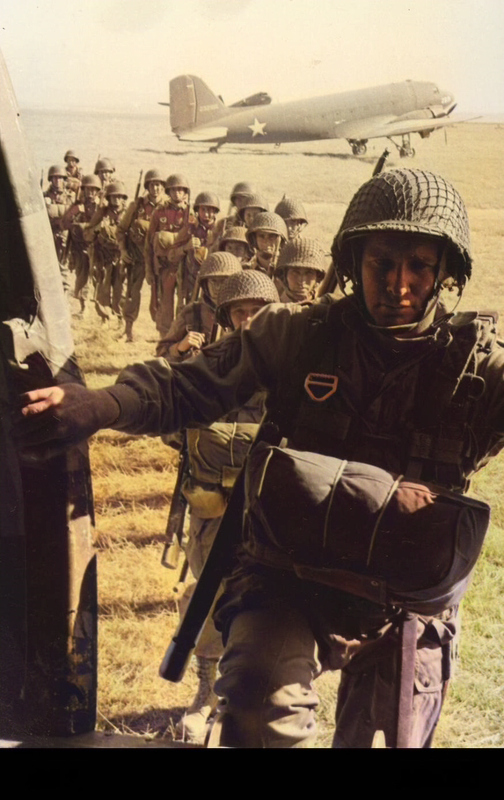
Mountain fighting. River crossings. Night patrols that turned into ambushes. Defensive lines that shifted by the hour. Casualties that couldn’t be easily evacuated. Long stretches where “airborne” meant nothing more than a patch on your sleeve and extra expectations from everyone around you.
This is where the division hardened.
Not in the spectacular moments, but in the grinding ones:
- Holding terrain because retreat would collapse the line
- Taking orders that made sense strategically and felt suicidal tactically
- Watching replacements arrive green and leave changed
- Learning when to bend rules to keep men alive
Italy stripped away the last traces of novelty. By the time they moved north, the 82nd was no longer an experiment. They were a known quantity.
That didn’t make them invincible. It made them reliable.
The Culture That Emerged (And Why It Matters)
What formed in Italy wasn’t just battlefield competence, it was a specific culture.
Officers who led from the front earned loyalty. Officers who didn’t were tolerated at best and quietly undermined at worst. NCOs became the backbone of survival, not just discipline. Humor darkened. Patience thinned. Competence was respected above rank.
Men learned the difference between bravery and recklessness. Between initiative and ego. Between rules that mattered and rules that existed for paperwork.
This is the division that later jumps into Normandy and Holland, not wide-eyed volunteers, but veterans who already understand the cost of airborne failure.
If you skip Italy, you miss that transformation.
Why This Matters for Airborne, Book 2: Italy
This book isn’t about legends being born. It’s about men adjusting to reality.
Italy is where airborne warfare stops being theoretical. Where leadership becomes personal. Where survival depends on judgment, not slogans.
Every character arc that matters in Airborne, Book 2 grows out of this environment:
- Authority earned, not assumed
- Loyalty built through action
- Moral lines blurred by necessity
- Humor used as armor
- Experience replacing innocence
If the 82nd feels grounded, it’s because they were. If they feel sharp-edged, it’s because Italy made them that way. And if they sometimes feel exhausted, cynical, or quietly angry, that’s because airborne units didn’t get to fail twice.
Husky was the warning.
Italy was the reckoning.
One Last Thing
The 82nd didn’t succeed because they were fearless.
They succeeded because they learned faster than the war could kill them.
That’s the story worth telling. That’s the story Airborne, Book 2: Italy is built on.