
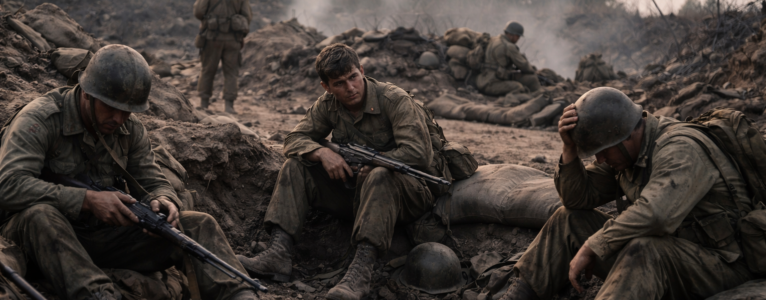
Hollywood didn’t just exaggerate WWII Rangers. It replaced them.
What most people think they know about Rangers, fearless charges, nonstop aggression, rule-breaking heroes who win through sheer will, isn’t history. It’s a simplified fantasy that’s easier to sell and easier to consume. And it does real damage to how elite units are understood.
If you think Rangers were elite because they were reckless, unstoppable assault troops, you’ve already missed the point.
The Hollywood Ranger: Noise, Speed, and Endless Forward Motion
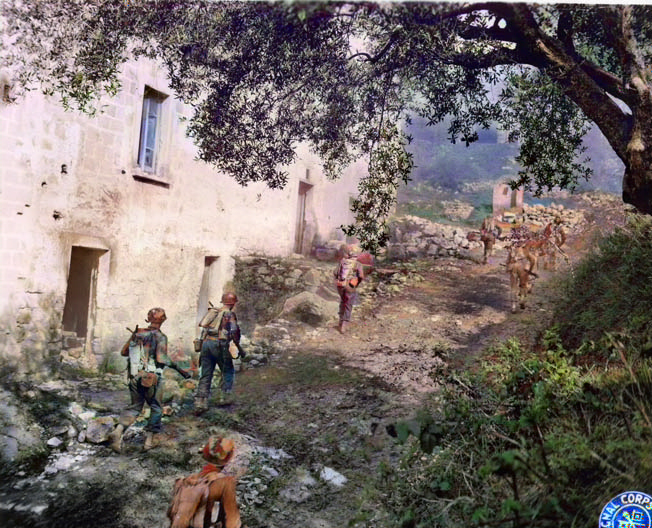
On screen, Rangers are always moving forward. They charge machine-gun nests. They yell. They overwhelm the enemy through aggression alone. They survive because they’re tougher, angrier, and somehow immune to exhaustion.
That image is comforting. It’s also wrong.
Real Rangers weren’t designed to be blunt instruments. They were specialized tools, intended for specific tasks under specific conditions. When those conditions weren’t met, Ranger units didn’t magically overcome reality, they paid in blood.
The uncomfortable truth is this: Rangers didn’t succeed because they attacked more.
They succeeded because they attacked less, and only when the situation justified it.
Precision, Not Fury
The men of the United States Army Rangers weren’t selected to be cinematic heroes. They were selected to function when circumstances stripped away comfort, certainty, and margin for error.
That meant:
- Long periods of waiting
- Rehearsal and repetition
- Attacks based on timing, surprise, and coordination, not rage
Hollywood needs constant action. Real operations don’t work that way. Rangers spent far more time not fighting than fighting, because every unnecessary engagement increased the chance of failure on the one mission that actually mattered.
That discipline is invisible on screen. It’s also the core of what made Rangers effective.
The Myth of the Superhuman Ranger
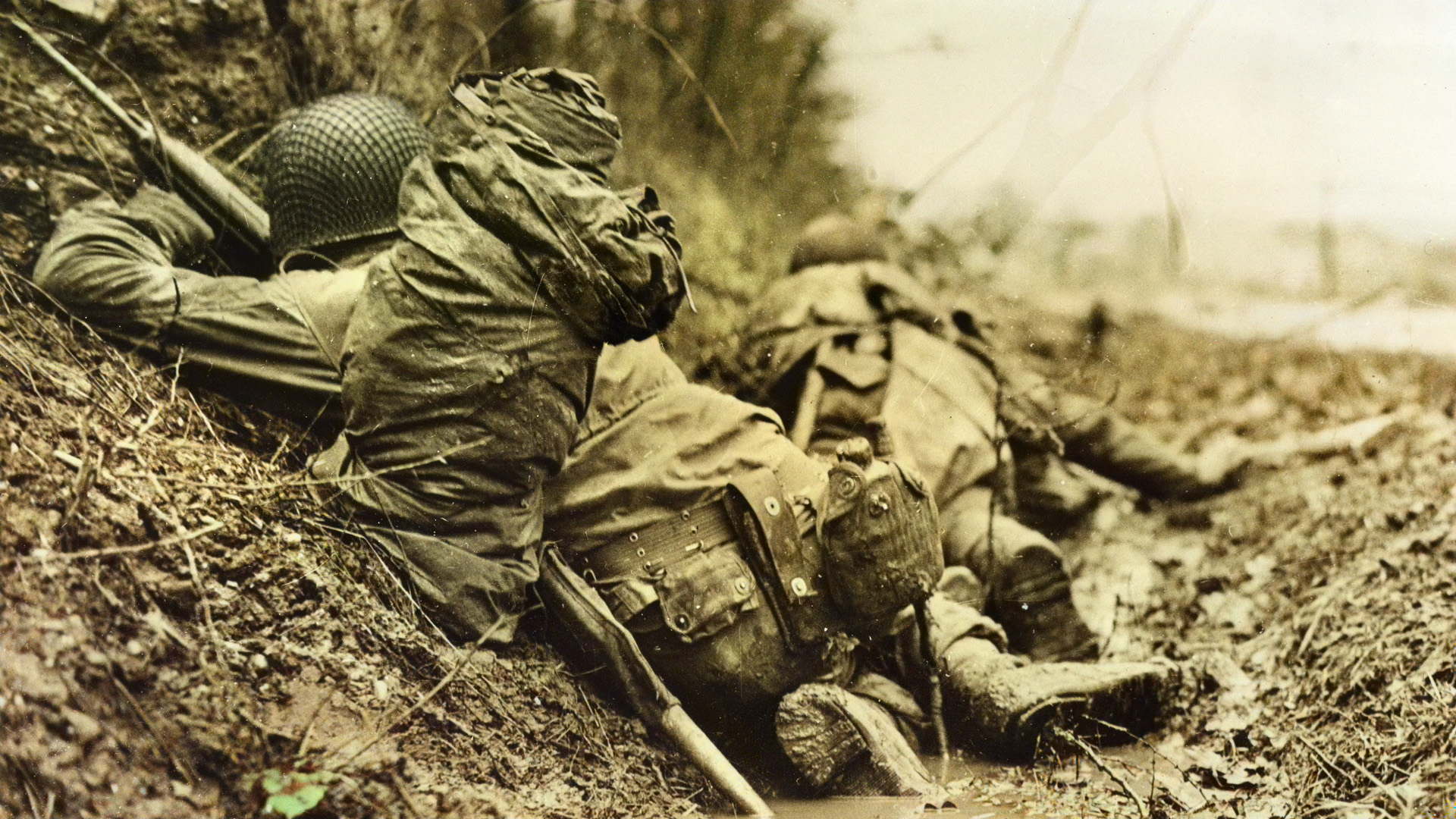
Rangers Lead the Way
Movies love the idea that every Ranger was a physical marvel, indestructible, tireless, and endlessly aggressive.
Reality was far less romantic.
Ranger training didn’t produce superheroes. It filtered for men who could endure misery without falling apart. Endurance mattered more than peak strength. Mental stability mattered more than bravado.
The most dangerous Ranger wasn’t the strongest man in the platoon.
It was the one who could still think clearly after three days without sleep and two without food.
Hollywood doesn’t show that because there’s nothing glamorous about a man conserving energy, counting rounds, and saying nothing for hours on end. But that’s what real effectiveness looks like.
Discipline Was the Advantage, Not Defiance
Another favorite Hollywood trope is the rogue Ranger: the man who ignores orders, breaks the rules, and wins anyway.
That character would not have lasted long in a real Ranger unit.
Initiative existed, but it existed inside commander’s intent, not outside it. Rangers were trusted precisely because they understood the larger mission and knew when not to act.
A Ranger who freelanced too far wasn’t bold. He was dangerous, to his unit and to the mission.
Rangers weren’t special because they ignored discipline.
They were special because they understood it better than everyone else.
That distinction gets erased in films because discipline looks boring and rebellion looks heroic. In reality, discipline kept men alive.
What Hollywood Almost Never Shows: Attrition
Here’s where most portrayals completely collapse.
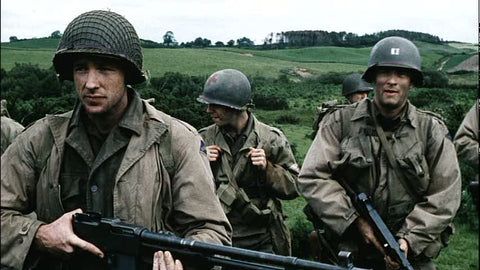
Hollywood presents Ranger units as static: the same men, the same cohesion, the same competence from first frame to last. That never happened.
In reality:
- Casualties were constant
- Experienced men were lost and replaced
- Units were rebuilt while still in contact with the enemy
- Veterans trained replacements under fire
There was no uninterrupted “elite.” Ranger units fought entropy every day. Experience leaked away with every casualty, and effectiveness had to be rebuilt again and again.
That grind, slow, unglamorous, relentless, is the real story. And it’s almost never told.
Anzio: The Moment the Myth Breaks
If you want to understand the difference between Hollywood and reality, look at Anzio.
Ranger units were committed to prolonged, conventional fighting, exactly the kind of combat they were never meant to sustain. Surprise was gone. Terrain favored the defender. The mission drifted from precision raids to attritional engagement.
The result was catastrophic.
This isn’t a story of Ranger failure. It’s a story of systemic misuse.
The lesson of Anzio isn’t that Rangers weren’t good enough.
It’s that even elite units fail when employed outside their design.
Hollywood avoids this because it breaks the fantasy. But history doesn’t care about fantasies.
Why Hollywood Keeps Getting It Wrong
This distortion isn’t accidental.
Hollywood simplifies Rangers because:
- Audiences want clear heroes and simple victories
- Studios want individual triumph, not institutional complexity
- Fatigue, logistics, and command decisions don’t sell tickets
Hollywood doesn’t misunderstand Rangers.
It simplifies them, because the truth demands more attention than most viewers are willing to give.
And that simplification quietly teaches the wrong lessons.
Why This Actually Matters
This isn’t about nitpicking movies. It’s about consequences.
When people absorb the Hollywood version of Rangers, they absorb bad ideas:
- That aggression solves most problems
- That discipline limits effectiveness
- That elite units succeed through attitude rather than structure
None of that is true.
WWII Rangers weren’t icons of violence.
They were instruments of controlled, disciplined force.
That’s harder to portray honestly. It’s also far more impressive than the myth.
Related posts:
 Step Into History with Rangers, Normandy—Book 3 of the Rangers Lead the Way Series
 Join the Fight in Rangers, Germany—Book 4 of the Rangers Lead the Way Series
 How to Read My Rangers Lead the Way and Rangers O’Conner Series
 Introducing Rangers, Operation Gothic Serpent. A Novel of Legacy, Duty, and the Bonds That Define Us