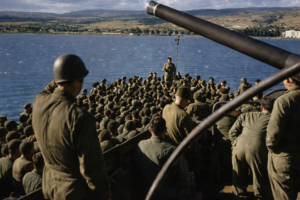
By the summer of 1943, the U.S. Army Rangers had already proven their worth in combat. Their first missions in North Africa during Operation Torch demonstrated that small, aggressive units could strike quickly and disrupt enemy defenses ahead of larger Allied formations.
Now the Rangers faced their next challenge.
The Allies had decided to invade Sicily.
The operation, known as Operation Husky would be the first major Allied assault on Axis-controlled Europe. Success in Sicily would open the Mediterranean to Allied shipping and create a launching point for the invasion of mainland Italy.
Once again, the Rangers would be among the first soldiers sent into battle.
Preparing for the Invasion of Sicily
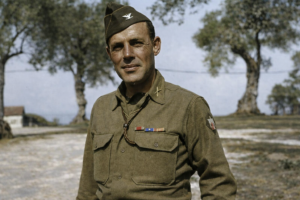
Following the North African campaign, Ranger units expanded in both size and reputation. The success of the 1st Ranger Battalion led to the formation of additional Ranger battalions.
Among these were the 3rd Ranger Battalion and the 4th Ranger Battalion.
Together, these units formed a powerful light infantry force capable of carrying out specialized missions during the invasion.
Their commander, William O. Darby, had built the Rangers into a tight-knit combat force known for speed, discipline, and aggressive leadership.
The mission in Sicily would test those qualities once again.
Night Landings on the Sicilian Coast
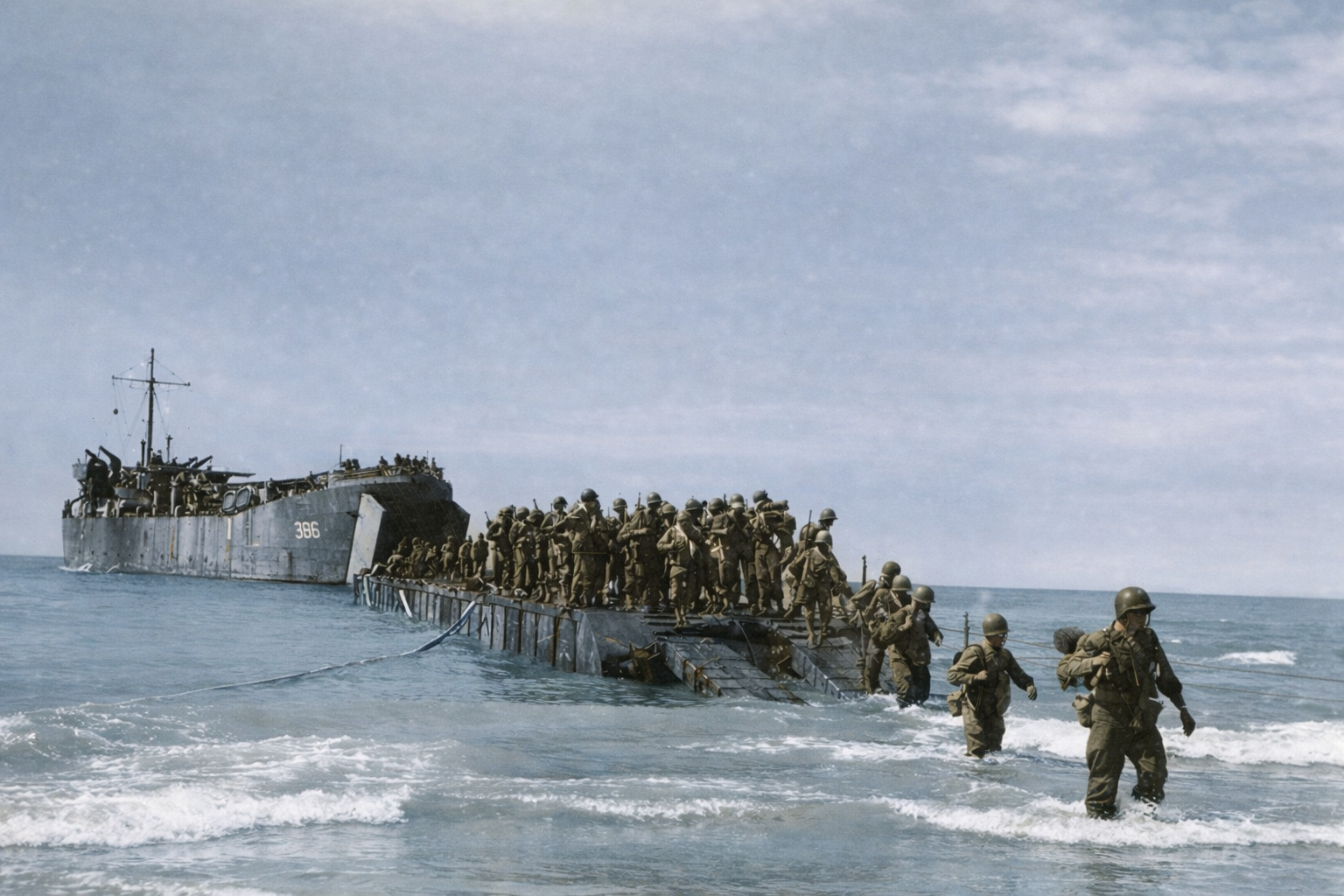
In July 1943, Allied forces launched the massive invasion of Sicily.
Rangers were tasked with leading several of the initial landings along the island’s southern coastline. Their job was to secure key positions, clear enemy defenses, and open the way for larger infantry units landing behind them.
The night landings were chaotic.
Strong winds, rough seas, and navigation errors scattered many of the landing craft across the coastline. Some Ranger units found themselves landing miles away from their intended objectives.
Despite the confusion, Ranger units quickly reorganized once ashore.
Using the aggressive tactics that had already proven successful in North Africa, they pushed inland and began attacking enemy defensive positions.
Within hours, Rangers had secured several coastal objectives and helped stabilize the Allied landing zones.
Fighting Through the Sicilian Hills
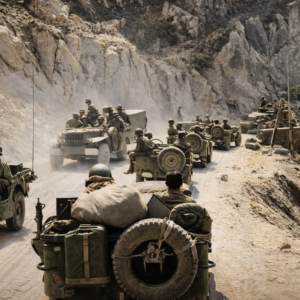
Once the beachheads were secure, the campaign shifted inland.
Sicily’s terrain proved far more difficult than the deserts of North Africa. The island was dominated by rugged hills, narrow roads, and heavily fortified towns that gave defending German and Italian forces strong defensive positions.
For the Rangers, this terrain offered both challenges and opportunities.
Their ability to move quickly and fight as small, flexible units allowed them to outmaneuver enemy forces in the hills and valleys of Sicily.
Ranger patrols often moved ahead of the main Allied advance, locating enemy positions and launching sudden attacks against isolated defenses.
These actions helped keep pressure on Axis forces as Allied troops pushed deeper into the island.
The Capture of Key Towns
One of the Rangers’ most significant actions during the Sicilian campaign came during the battle for the town of Butera.
German and Italian forces had fortified the town, using its elevated position to control the surrounding roads.
Rangers moved quickly to attack the position, advancing through the rugged terrain under fire. After intense fighting, they captured the town and secured the route for advancing Allied forces.
Operations like this demonstrated how Ranger units could operate effectively in difficult terrain where larger formations struggled to maneuver.
Their aggressive assaults often forced enemy units to withdraw from positions that might otherwise have delayed the Allied advance.
The Rangers Lead the Way
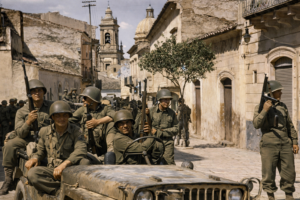
Throughout the Sicilian campaign, Ranger units continued to operate at the front of the Allied advance.
Their missions ranged from reconnaissance patrols to direct assaults on enemy strongpoints. In many cases, Rangers were used to break through difficult defensive positions that blocked the progress of larger Allied units.
The fighting in Sicily also strengthened the bond between the Ranger battalions.
Soldiers who had trained together in the harsh conditions of Scotland and fought side by side in North Africa now faced the challenges of mountainous terrain and determined German resistance.
Their reputation as elite assault troops continued to grow.
Toward the Italian Mainland
By August 1943, Allied forces had successfully secured Sicily.
The victory forced Axis forces to retreat across the Strait of Messina and opened the door to the next phase of the war: the invasion of mainland Italy.
For the Rangers, the campaign was far from over.
The battalions that had fought across Sicily would soon find themselves landing once again, this time on the Italian mainland.
Ahead lay some of the most difficult fighting of the war.
But for now, the Rangers prepared for their next mission as the Allied advance moved north toward Italy.
(Next article: Rangers in Italy, the road to Cisterna.)