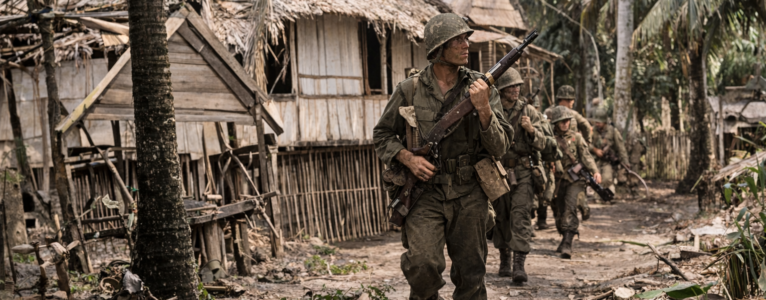
Date & place: January 30, 1945, Pangatian POW camp near Cabanatuan, Nueva Ecija, Philippines.
Why this raid had to happen
In late 1944, as U.S. forces returned to Luzon, intelligence and survivor reports warned that the Japanese were killing prisoners rather than letting them be liberated, the Palawan massacre on December 14, 1944, saw at least 139 POWs murdered, with only a handful escaping. That grim precedent, and a “kill-all” mindset identified after the war, pushed leaders to act fast before the remaining prisoners at Cabanatuan were executed.
The team
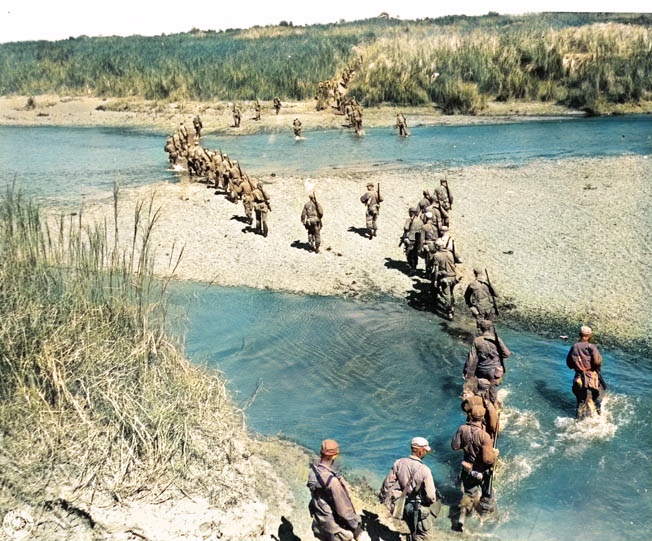
General Walter Krueger tasked Lt. Col. Henry A. Mucci’s 6th Ranger Battalion to go 30 miles behind Japanese lines and bring the prisoners out alive. Mucci put Capt. Robert W. Prince in charge of the assault element. Two six-to-eight-man Alamo Scout teams (elite Sixth Army recon) would provide deep reconnaissance. Crucially, the Rangers partnered with Filipino guerrillas under Capt. Juan Pajota and Capt. Eduardo Joson, who knew every road, river, and village—and could mobilize local help fast.
Rough composition on the night of the raid: ~120 Rangers and Alamo Scouts, supported by roughly 200–280 Filipino guerrillas.
The plan (simple on paper, genius in practice)
- Recon & timing: Alamo Scouts confirmed guard routines and nearby Japanese troop movements. Pajota urged waiting 24 hours for a large enemy column to pass; Mucci agreed, likely saving the mission.
- Deception: With only minutes of full darkness before moonrise and a flat, open approach, the force needed a distraction. A P-61 Black Widow night-fighter performed loud, low passes over the camp to rivet the guards’ attention skyward as Rangers belly-crawled across the paddies.
- Blocking forces: Pajota’s and Joson’s guerrillas set ambushes at key choke points—most famously at the Cabu River bridge, to stop reinforcements from smashing into the camp during the extraction. Locals had even prepared carabao carts to carry the sick and starving POWs once they were out.
- Assault: Prince split his men to hit the front and rear gates simultaneously, overwhelm the garrison in minutes, and pop a red flare once all prisoners were accounted for.
“Go” at dusk
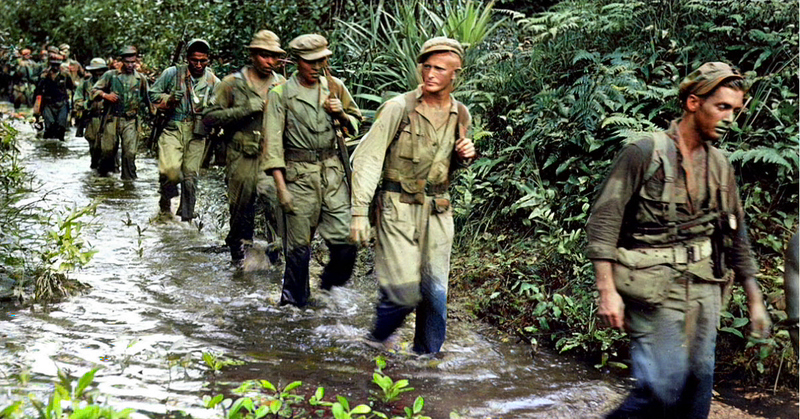
As the Black Widow roared overhead, Rangers crawled the last several hundred yards and then surged. Within roughly 30 minutes, the compound was secure. The Rangers hustled the prisoners, many barely able to stand, out to the rendezvous where carabao carts and guerrillas were waiting. During the extraction, guerrilla blocking positions fought several sharp engagements, including against armor at the Cabu bridge, buying precious time.
The cost, and the outcome
Two Rangers were killed in the operation, Cpl. Roy F. Sweezy and Capt. James C. (Jimmy) Fisher, the battalion surgeon who was mortally wounded while treating evacuees. Several Rangers and Scouts were wounded; guerrilla casualties were also incurred at the blocking positions.
Prisoners rescued: 511 Allied POWs (most of them Americans) made it back to U.S. lines by February 1, an extraordinary feat that many historians still call one of the most successful rescues in American military history.
Why Cabanatuan still matters
- Allied partnership in action. This was a textbook combined operation: U.S. Rangers + Alamo Scouts + Filipino guerrillas + local civilians + air support. No single piece works without the others.
- Intelligence and patience. Listening to local leaders (Pajota, Joson) and hiking around problem areas (even caging chickens and muzzling dogs to keep quiet) turned a high-risk dash into a meticulously choreographed success.
- Moral weight. The rescue gave survivors of Bataan and Corregidor a voice and underscored Japanese atrocities to the American public, right as the Philippines campaign intensified.
- Special operations DNA. The raid reads like a modern SOF playbook: deep recon, deception, interagency/partner force integration, precision assault, and a rehearsed exfil plan, even if the Rangers, famously, didn’t get a full rehearsal.
A quick timeline
- Jan 28, 1945: Rangers depart Guimba, guided by guerrillas; Scouts infiltrate to watch the camp.
- Jan 29: Postponed 24 hours on Pajota’s advice as a Japanese division passes nearby.
- Jan 30 (dusk): P-61 distraction begins; Rangers crawl in; simultaneous gate assaults; camp secured in ~30 minutes; exfil toward Platero with POWs in carabao carts while guerrillas hold at the Cabu bridge.
- Jan 31–Feb 1: Column reaches American lines; evac and medical care; news breaks to the U.S. public shortly after.
Fast facts (for readers who skim)
- Operation nickname: The Great Raid (also: Raid at Cabanatuan).
- Lead U.S. commanders: Lt. Col. Henry A. Mucci; Capt. Robert W. Prince.
- Key Filipino leaders: Capt. Juan Pajota; Capt. Eduardo Joson.
- Rescued: 511 POWs; U.S. losses: 2 KIA; guerrillas: several wounded while blocking reinforcements.
- Signature deception: P-61 Black Widow low-altitude “engine-out” passes to distract guards.
Where to go deeper
- U.S. Army Special Operations history feature with maps & photos. arsof-history.org
- U.S. Army coverage of the 80th-anniversary commemoration. U.S. Armyusarpac.army.mil
- PBS American Experience on Prince’s plan and the pivotal role of Juan Pajota. PBS+1
- National WWII Museum background on Palawan and the “kill-all” context.
If you’re interested in reading more about the 6th Rangers, please consider reading my book: